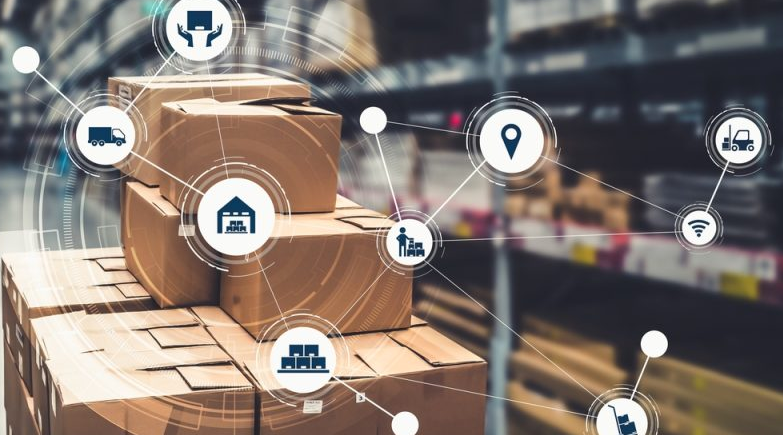
The Role of AI in Supply Chain Technology
The integration of AI in supply chain technology is reshaping traditional practices across various sectors. By employing predictive analytics, organizations enhance demand forecasting, leading to improved inventory management. Simultaneously, AI streamlines logistics operations, optimizing routes and minimizing disruptions. However, the transition is not without challenges. Understanding these complexities and the future implications of AI in supply chains could redefine operational strategies. What remains to be seen is how these advancements will influence resilience and efficiency.
Enhancing Demand Forecasting With AI
In recent years, a significant number of companies have turned to artificial intelligence (AI) to enhance demand forecasting capabilities.
Optimizing Inventory Management Through Intelligent Systems
Effective demand forecasting serves as a foundation for optimizing inventory management, as accurate predictions lay the groundwork for strategic stock control.
Intelligent systems leverage predictive analytics to identify trends and inform automated replenishment processes.
Streamlining Logistics and Transportation
While traditional logistics and transportation methods often struggle with inefficiencies, the integration of AI technologies has transformed these processes into streamlined operations.
Route optimization algorithms reduce delivery times by analyzing traffic patterns and demand forecasts. Meanwhile, predictive analytics enable companies to anticipate disruptions, ensuring timely adjustments.
This data-driven approach not only enhances operational efficiency but also provides greater flexibility, empowering organizations to adapt swiftly to changing conditions.
See also: The Role of AI in Retail Technology
Addressing Challenges and Future Prospects of AI in Supply Chains
As organizations increasingly adopt AI technologies in their supply chains, they encounter a range of challenges that must be addressed to fully realize the potential benefits.
Key concerns include AI ethics, which influence stakeholder trust, and data security, essential for protecting sensitive information.
Moreover, fostering supplier collaboration can enhance cost reduction efforts, ultimately paving the way for more efficient, resilient supply chain operations.
Conclusion
In conclusion, the integration of AI into supply chain technology is not merely a trend but a seismic shift that promises to redefine operational paradigms. By enhancing demand forecasting, optimizing inventory management, and streamlining logistics, AI is transforming supply chains into highly efficient, resilient networks. As organizations harness these intelligent systems, the potential for unprecedented levels of efficiency and agility becomes a reality, positioning AI as the cornerstone of future supply chain innovations.